
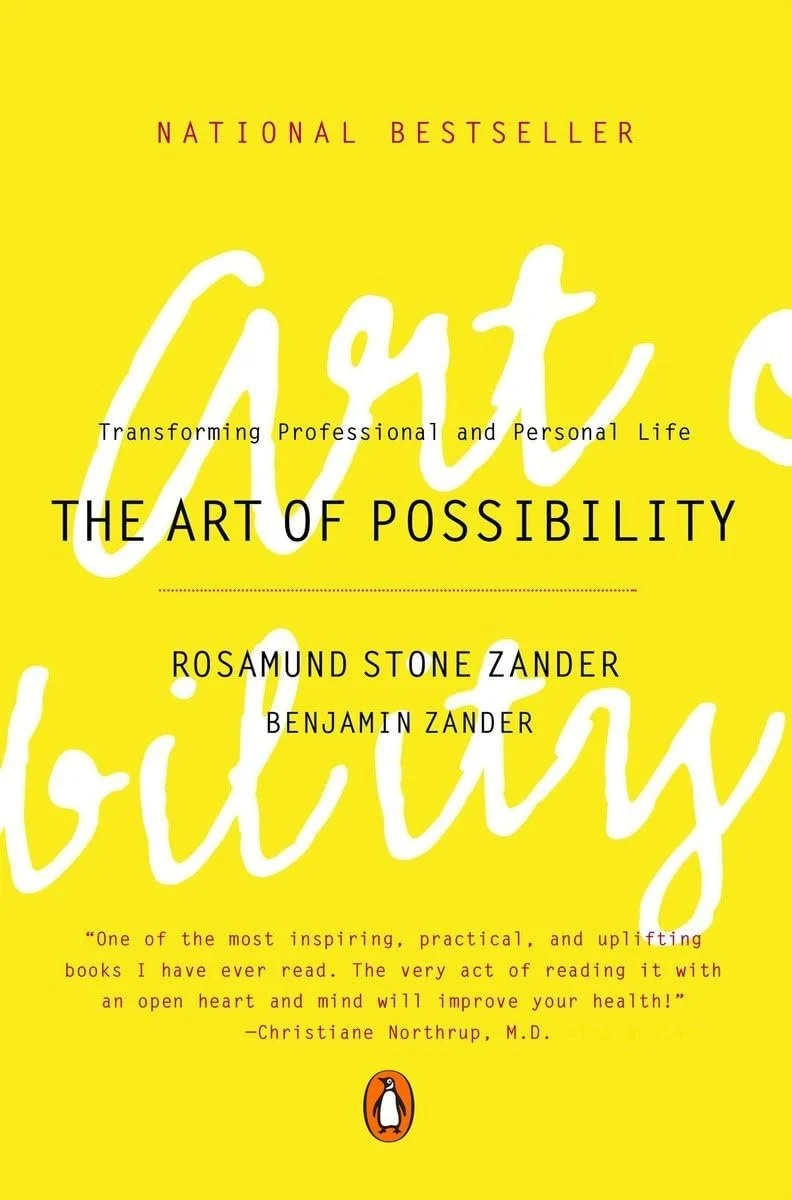
I have recently started reading The Art of Possibility by Rosamund Stone Zander and Benjamin Zander. In the opening pages, Benjamin Zander recounts a simple but powerful encounter with a child staying at the same London hotel.
After wishing her "a perfect day", she replied with confidence, "I will," before, as he describes it, sailing "out into a universe of possibility."
It is a wonderful image.
It also prompted me to ask a different question.
Is possibility really available to every child?
For many children, the answer is undoubtedly yes. They grow up believing that tomorrow can be better than today. They know they will be listened to, protected when they need it, encouraged when they struggle and believed when they speak. They have every reason to imagine a future full of opportunities.
But for many exploited children who find themselves criminalised by the very systems intended to protect them, possibility can feel very different.
Their opportunities are steadily diminished. Their world becomes smaller, their choices fewer, and their expectations of adults lower. By the time professionals become involved, what may appear to be a poor decision may actually be one of very few options the child believes remain available.
There is another consequence that receives far less attention.
When children repeatedly try to explain what is happening to them and are dismissed, misunderstood or simply not believed, something profound can happen. They may begin to question not only whether adults will listen, but whether their own understanding of their experiences is somehow wrong.
This reflects the work of philosopher Miranda Fricker, whose concept of epistemic injustice describes the harm that occurs when a person's knowledge and lived experience are unfairly discounted or denied. For children, this can be particularly damaging. If those around them consistently fail to recognise or validate what they know to be true, they can begin to internalise the belief that they are the problem.
That is an injustice in itself.
Too often, our systems ask, "What has this child done?" before asking, "What has happened to this child?"
At ECO, we believe those questions matter because the answers lead us in very different directions. If we focus only on behaviour, we risk overlooking exploitation and the circumstances that have progressively limited a child's opportunities. In doing so, we risk criminalising children who should instead be recognised as needing protection, understanding and support.
Every child deserves to grow up believing that possibility exists.
Not because life is perfect.
Not because adversity doesn't happen.
But because they know they will be heard, understood and protected when it does.
If we are serious about ending the injustice of criminalising exploited children, we must do more than respond to behaviour. We must create systems that recognise children's experiences, listen to their voices and restore the possibilities that exploitation has taken from them.
Perhaps then, more children will be able to step into each new day believing, as the child in Benjamin Zander's story did, that a universe of possibility really is waiting for them.
Written by: Sherry Peck
Image source: Amazon