
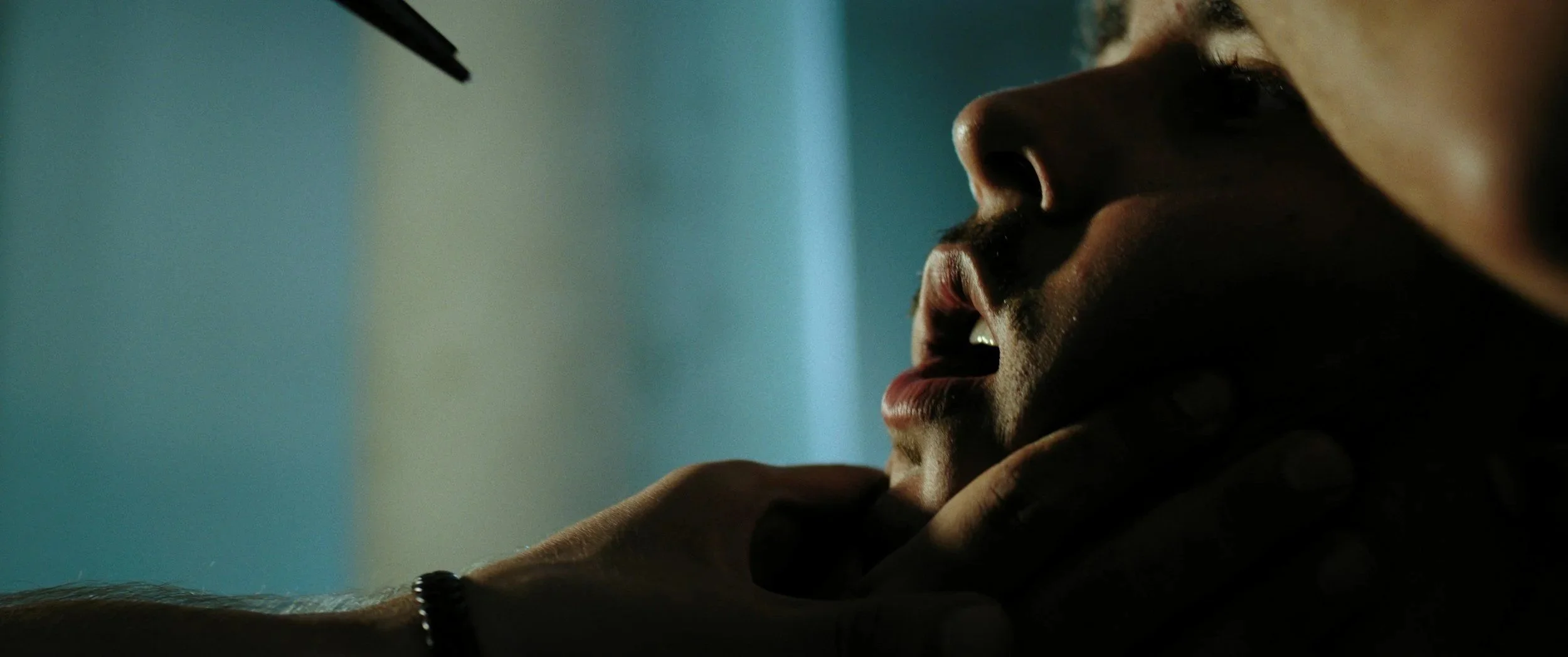
Criminally exploited children are often described as “offenders” within the criminal justice system. But when we pause and look more closely at their experiences, a very different picture emerges—one that should fundamentally change how we respond. Many of these children are moved away from their home areas, sometimes across towns or counties, and kept there for extended periods. They are not free to come and go. Their movements are controlled. They are watched, monitored, and often threatened. In many cases, they are told what to do, where to go, and what will happen if they don’t comply. These are not the conditions of free choice. They are the conditions of coercion and control. They are the conditions justice, we would recognise, in any other context, as deeply serious harm.
If an adult were taken from their home, transported elsewhere, held under surveillance, and unable to leave without fear of consequences—would we hesitate to call it what it is?
Kidnapping.
Yet when this happens to children in the context of criminal exploitation, we reach for a different language. We talk about “drug offences”, “criminality”, or “gang involvement”. The harm done to the child becomes secondary to the offence they are perceived to have committed.
This isn’t just a matter of semantics. Language shapes response, and right now, our response is failing children.
Children caught up in criminal exploitation are not operating with meaningful choice. Many have been groomed—drawn into situations through a mix of manipulation, exploitation, fear, and sometimes the promise of belonging or protection. Once involved, leaving is never straightforward or safe.
Control can take many forms:
Physical violence or the threat of it
Debt bondage (“you owe us”)
Constant surveillance, including through phones and social media
Isolation from family and support networks
Psychological pressure and intimidation
This creates a situation where compliance is not consent—it is survival.
Despite growing recognition of exploitation, children continue to be arrested, charged, and prosecuted for offences linked to their exploitation. The system still defaults to a criminal justice response, even when clear indicators of harm and control are present.
This raises a fundamental question:
Why are children experiencing conditions that closely resemble kidnapping not being consistently recognised and treated as victims?
Part of the answer lies in how systems are structured. Criminal justice responses are often quicker, more familiar, and more easily triggered than safeguarding responses. There is also a persistent discomfort in fully acknowledging the extent of control exerted over children—because doing so would require a much more radical shift in how we respond. But without that shift, we risk compounding the harm.
When children are criminalised for actions they were coerced into, the consequences are long-lasting.
A criminal record can shape a child’s future—affecting education, employment, housing, and, for some, immigration status. It reinforces stigma. It tells the child, and the world, that they are the problem. Meanwhile, the exploitation itself often goes unaddressed.
This is not justice and it is not safeguarding.
At ECO, we believe we need to start from a different place.
Instead of asking, “What offence has this child committed?” we should be asking:
“What has happened to this child?”
This shift is not just philosophical—it has practical implications. It changes how professionals respond, how decisions are made, and ultimately, how children are treated.
It means recognising that children cannot consent to their own exploitation, coercion fundamentally undermines choice and safeguarding must take precedence over criminalisation.
We need to be braver in our language and clearer in our thinking.
When children are moved, controlled, and prevented from leaving under threat, we should not shy away from naming the seriousness of that harm. Whether or not we use the word “kidnapping”, we must recognise that these are not minor issues or lifestyle choices—they are violations of children’s rights and safety. Until we do, children will continue to be punished for the harm done to them.
And that is something we can—and must—change.
Written by: ECO