
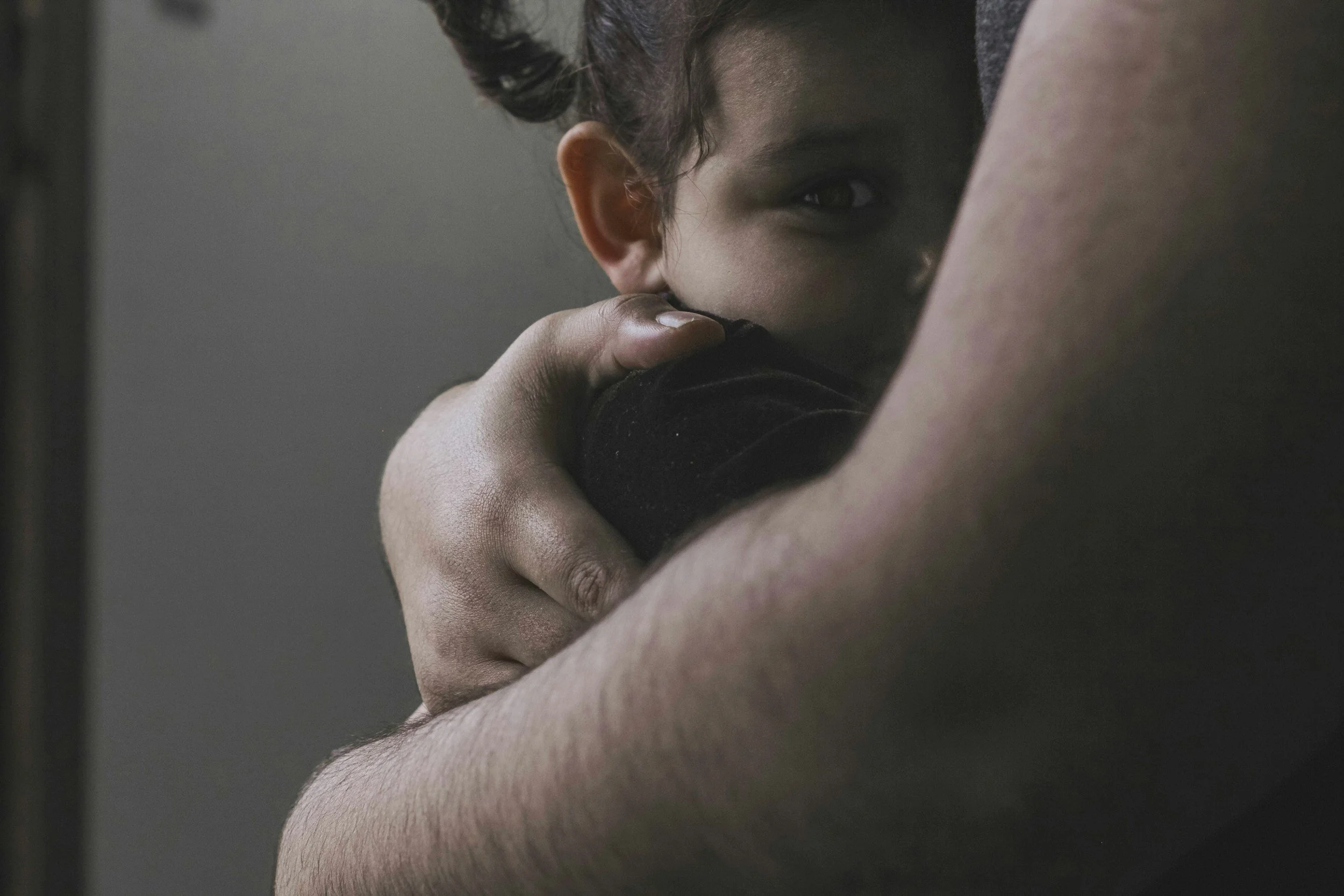
At ECO, we spend a great deal of time talking about coercion, exploitation and criminalisation. But underneath all of these sits something much bigger that systems still struggle to fully understand:
Violence changes children.
Not metaphorically. Not emotionally “for a while”. Violence alters how children think, react, trust, survive and move through the world.
The World Health Organization (WHO) Youth Violence Fact Sheet describes youth violence as a major global public health problem. It includes physical assault, bullying, sexual violence, gang-associated violence and homicide, affecting children and young adults aged 10–29. But statistics alone do not tell the full story, violence Is Not An “Incident” In A Child’s Life. For many children, violence is not a one-off experience. It is witnessed at home, experienced in neighbourhoods, anticipated daily and often normalised by adults around them. The WHO notes that exposure to violence is linked to lifelong impacts on physical health, mental health, educational attainment and future involvement in violence.
This matters enormously because when children live in environments where violence is expected, survival behaviours emerge hypervigilance, emotional numbing, aggression, distrust and withdrawal. Systems frequently interpret these responses as “bad behaviour” or “risk factors” rather than adaptive responses to chronic threat.
Children Do Not Become Violent In Isolation. The dominant public narrative often frames violence as an individual moral failure but violence clusters around inequality, deprivation, exclusion, instability and trauma. The WHO identifies multiple interconnected drivers of youth violence, including:
poverty
social inequality
weak social protection
exposure to violence in childhood
lack of educational opportunity
harmful gender norms
and community disconnection.
Children are adapting to environments they experience as dangerous and then we criminalise the adaptation. Violence And Exploitation Are Deeply Connected. Many children drawn into drug supply, county lines activity or serious violence are not entering freely chosen “criminal lifestyles”.
They are navigating coercion, fear, debt, threats, belonging, survival and status within environments already shaped by violence.
The same children who are labelled “high risk offenders” are often:
victims of violence
witnesses to violence
grieving violence
threatened by violence
or trying to avoid violence themselves
One of the greatest failures within safeguarding and criminal justice systems is the persistent misrecognition of survival responses. A child carrying a knife may be terrified, may be refusing school because its unsafe travelling there or going missing not out of choice. But systems frequently isolate behaviour from context. With the result that Children become treated as the problem rather than as children navigating harmful conditions. At Eco, we believe this is one of the central reasons exploited children continue to be criminalised instead of safeguarded.
The impact of violence does not end in childhood - WHO evidence links violence exposure to poorer mental health, chronic illness, educational exclusion, social isolation and future victimisation. When systems respond punitively rather than protectively, they often deepen these harms.
Exclusion from school, criminal records, custody and repeated police contact can reinforce the very conditions that increase vulnerability to further exploitation and violence. This should force a national conversation about whether our responses are reducing harm — or reproducing it.
Children cannot simply be punished out of environments shaped by fear, coercion and violence. If we genuinely want safer communities, we must stop asking “What is wrong with this child? “and start asking “What has happened to this child” because violence changes children.
The question is whether adults and systems are prepared to change too.
Written by: Sherry Peck