
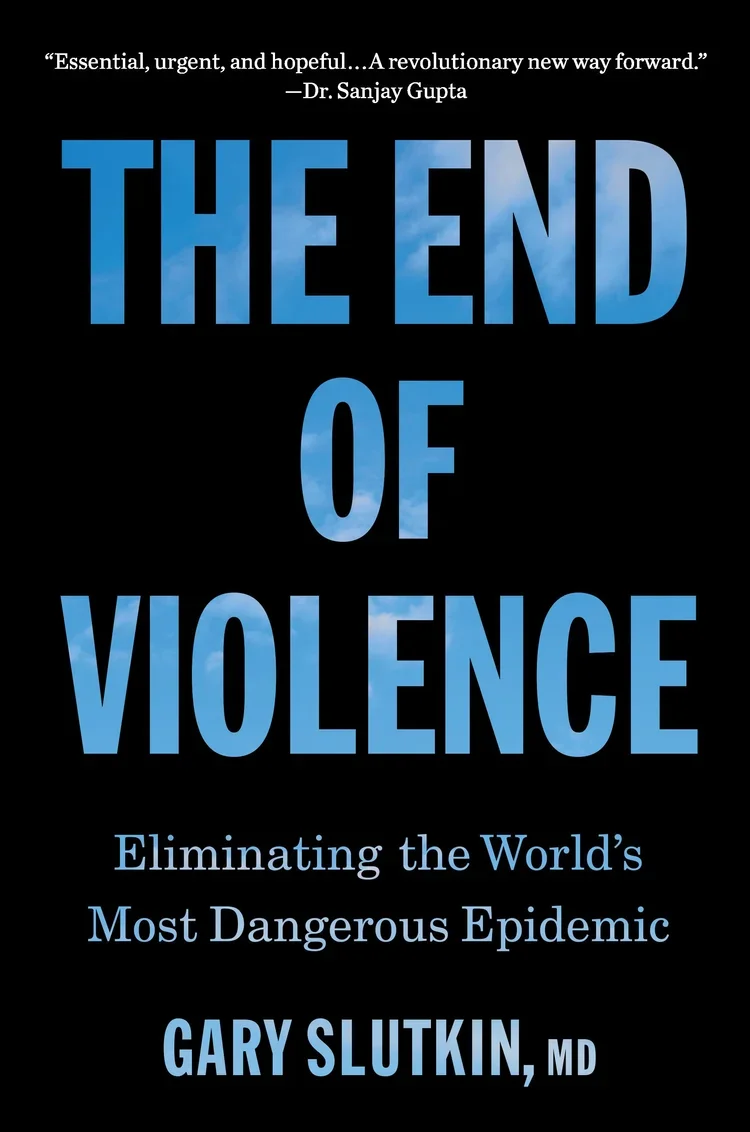
I’ve spent part of my holiday reading the work of Gary Slutkin- The End of Violence - and honestly, it’s difficult to read it without constantly thinking about the children we criminalise in the UK.
Slutkin’s work reframes violence not simply as individual pathology or “bad choices”, but as something transmitted through exposure, trauma, environment and social conditions. A contagion model. Something learned, normalised and reproduced. The more I read, the more I find myself reflecting on children drawn into offending. Because so many of the children we label as “offenders” are growing up surrounded by violence in homes in communities and online and yet our response remains overwhelmingly punitive.
One of the things I find most powerful in Slutkin’s thinking is the idea that if violence spreads through exposure, then interruption, trust, relationships and credible messengers matter enormously. That feels deeply relevant to children being exploited and coerced into offending. Not because children are “infected”, but because environments shape what becomes normal, necessary or imaginable. Too often, by the time systems finally notice a child, the intervention comes through policing, exclusion or prosecution rather than protection.
Books like this are important because they push us to think differently. Not just about violence but about responsibility. And about what it means when systems continue responding to children’s survival strategies as criminal intent. I would absolutely recommend the book if you haven’t read it already.
Sherry Peck
Founder, ECO