
When Childhood Becomes Invisible
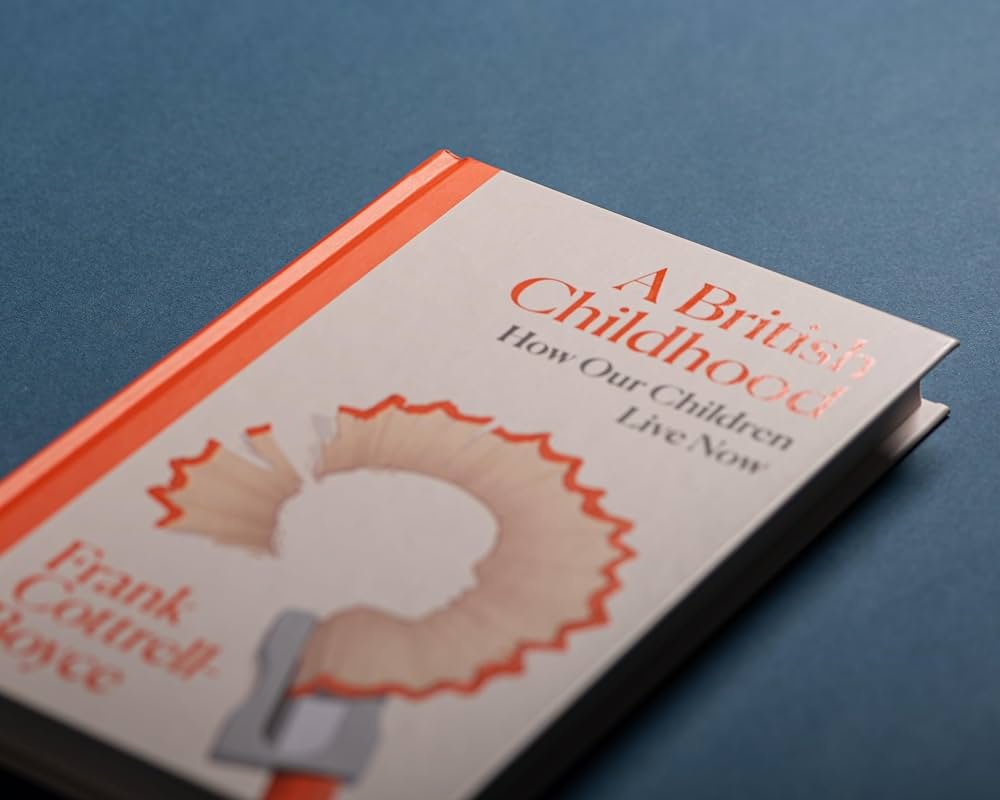
I recently bought myself what I thought would be an easy read.
After months of immersing myself in academic books and journal articles, I fancied something lighter for the train journeys and quiet evenings. I chose A British Childhood: How Our Children Live Now by Frank Cottrell-Boyce, expecting stories that would remind me of my own childhood and perhaps make me smile along the way.
Within a few pages, I realised I had chosen the wrong book for "light reading.” Or perhaps I had chosen exactly the right one. Reflecting on childhood in Britain today, Cottrell-Boyce writes:
"I see no similar conversation around our children now… At this crucial point in the changing history of British childhood, it sometimes seems to me as if children have become invisible."
That sentence stopped me in my tracks.
Frank Cottrell-Boyce is writing about all children. At ECO, our concern is for a particular group of children—those who have been groomed, exploited and then criminalised for what they have been coerced into doing. If childhood itself risks becoming invisible, what happens to children whose experiences sit at the very margins of public consciousness? These are children whose stories rarely dominate political debate.
Children who often become visible only when they are arrested. Children who are more readily recognised for the offences recorded against them than for the exploitation that shaped those offences.
Later in the book, Cottrell-Boyce reflects on the experiences of children in custody, quoting one young person who says:
"Once you're in custody, the damage is done."
Another child speaks even more powerfully about what happens when society's response changes how a child sees themselves:
"You see things, you're told you are guilty, you feel you are guilty, because why would they treat me this way otherwise?"
Those words should make every one of us pause. Children do not simply experience the decisions adults make about them, they absorb them, they interpret them, they build their understanding of themselves around them.
If our systems respond to exploited children as though they are criminals first and children second, we should not be surprised when those children begin to believe that is who they are.
At ECO, we believe we need a different conversation. Not simply about youth crime, not simply about safeguarding. But about childhood itself.
What does it mean to be a child in Britain today?
Who is afforded the protection that childhood should bring?
And whose childhood is quietly taken away long before they reach adulthood?
Perhaps Frank Cottrell-Boyce is right. Perhaps children have become invisible.
Our challenge is to ensure that the children who have experienced exploitation and criminalisation do not remain invisible any longer. Because every child deserves to be recognised first and foremost as a child.
Written by: Sherry Peck