
Young People Aren’t Snowflakes. We Need to Look at the World We Have Built Around Them
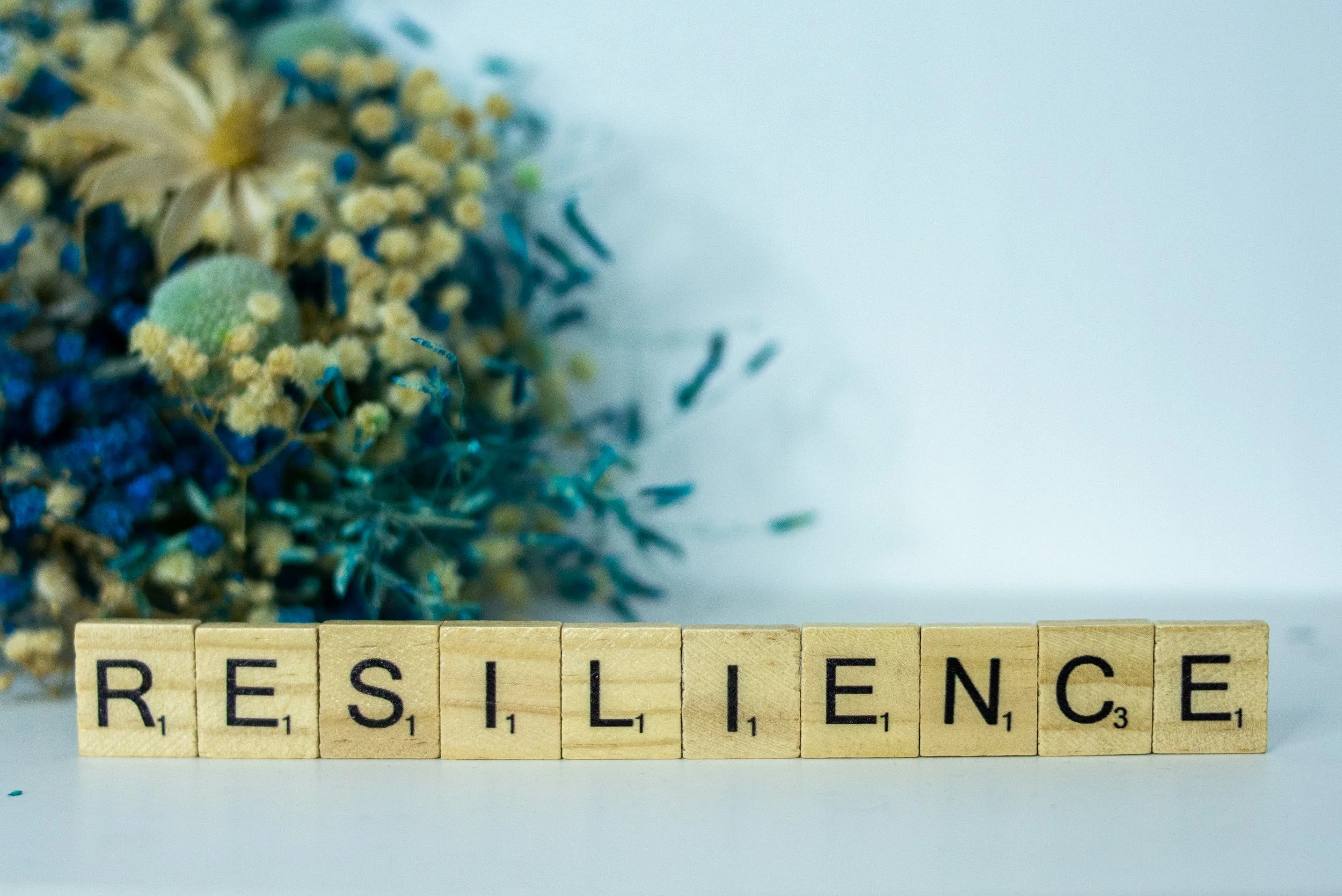
Professor Peter Fonagy is right: young people are not a “snowflake generation”. Speaking ahead of the publication of the independent review into mental health conditions, ADHD and autism which he chairs, Professor Fonagy has challenged the increasingly familiar suggestion that today’s children and young people are simply less resilient than previous generations.
The review has found a real increase in mental distress among children and young people, including anxiety, depression, self-harm and eating disorders. Professor Fonagy points to economic and employment insecurity, social media and the wider environment in which children and young people are growing up.
At ECO, we think this distinction matters enormously. Because when a child is distressed, one of the most important questions we can ask is “What is happening around this child?”
Too often, our systems individualise children and young people’s responses to difficult circumstances. A child becomes anxious, stops attending school, becomes angry, withdraws, takes risks, struggles to concentrate. Their behaviour changes and our systems begin searching for the problem inside the child. Sometimes diagnosis and specialist treatment are absolutely necessary. Recognising the influence of environment is not an argument against either. But neither should diagnosis become a substitute for curiosity about children’s lives. Children develop within relationships, families, peer groups, schools, neighbourhoods, communities and wider economic and social conditions. Their wellbeing cannot be separated neatly from those environments.
Professor Fonagy has previously argued that the growth in children and young people’s mental-health difficulties reflects profound societal, developmental and structural changes in how we support them. His current review is examining not only prevalence and clinical practice, but social and cultural influences, prevention, resilience and forms of support beyond the NHS. That broader lens is essential.
There is a danger in the language of resilience when it becomes an instruction to children and young people to tolerate circumstances adults have failed to change. Of course they need opportunities to develop confidence, autonomy, problem-solving skills and the ability to survive life’s inevitable difficulties. But resilience cannot mean endlessly increasing the burden on children and young people while congratulating those who manage to carry it.
If children and young people are growing up amid greater insecurity, isolation, academic pressure, harmful online environments, reduced community connection and uncertainty about their futures, then teaching them to cope better can only ever be part of the response. We also have to examine the conditions they are being asked to cope with. That is why Professor Fonagy’s rejection of the “snowflake” narrative is important.
Calling children and young people fragile transfers responsibility away from the environments adults have created and onto children and young people themselves. It risks turning a social question into a character judgement.
Those of us working in safeguarding should be particularly alert to this. Children and young people communicate what is happening in their lives in many different ways, and not all of them look like distress. Sometimes distress looks like aggression, sometimes it looks like disengagement and sometimes it looks like persistent absence from school. More importantly sometimes the adaptation they make to survive their circumstances becomes the very behaviour for which adults subsequently punish them.
If we concentrate only on correcting the behaviour, we can completely misunderstand the child or young person. The task is not to excuse harm, nor is it to deny children and young people agency. Essentially – behaviour is communication and we need to learn to listen. We need to listen and ask
What relationships surround this child?
What pressures are operating?
What choices are genuinely available to them?
What has happened to their sense of safety, belonging, possibility and hope?
And crucially: what are the adults and systems around them doing about it?
One of Professor Fonagy’s most striking observations is his admiration for the way children and young people have adapted to an environment he believes is significantly more difficult than the one previous generations experienced. That should make us think.
Because adaptation can easily be misread.
Those adaptations may make perfect sense within the child’s environment while appearing irrational or problematic to professionals looking from outside it. Good safeguarding requires us to understand that difference. Otherwise, we risk intervening in the child while leaving untouched the conditions shaping their behaviour.
Professor Fonagy is also clear that the answer cannot simply be expanding clinical services. The NHS matters enormously, particularly for children experiencing serious mental ill health. Long waits for help when children and young people are suffering are unacceptable. But a mental-health service cannot repair every condition producing distress.
Schools matter.
Housing matters.
Poverty matters.
Employment prospects matter.
Safe communities matter.
Relationships matter.
Belonging matters.
The online world matters.
The opportunities children and young people have to play, experiment, take appropriate risks and develop autonomy matter. And the way our public services understand and respond to children matters. That demands something more difficult than asking whether children and young people have become less resilient. It asks adults to examine the world we have collectively created for them.
There will and should be debate about diagnosis, medicalisation, access to treatment and how limited specialist resources are used. Professor Fonagy’s review itself is examining those difficult questions. But that discussion must not slide into a narrative that portrays distressed children and young people as weak. If increasing numbers of children and young people are struggling, perhaps the most useful response is not to ask why this generation cannot cope with the world. Perhaps we should ask what it is about the world that so many of them are finding difficult to live in.
Professor Fonagy is right to reject the language of snowflakes – Children and Young people do not need adults standing outside their lives judging their capacity to cope. They need us to be curious enough to understand the conditions in which they are growing up — and brave enough to accept our responsibility for changing some of them.
ECO – Ending Coercive Offending
This article responds to Professor Peter Fonagy’s comments to BBC News on 21 September 2026 ahead of the publication of the Independent Review into Mental Health Conditions, ADHD and Autism.
Young people aren't snowflakes - mental distress is rising, says head of official review https://www.bbc.co.uk/news/articles/cqzrz0z4plk1o
Written by: ECO